How to Improve the Efficiency of a Peristaltic Pump
- March 14, 2026
- ENQUIRE NOW
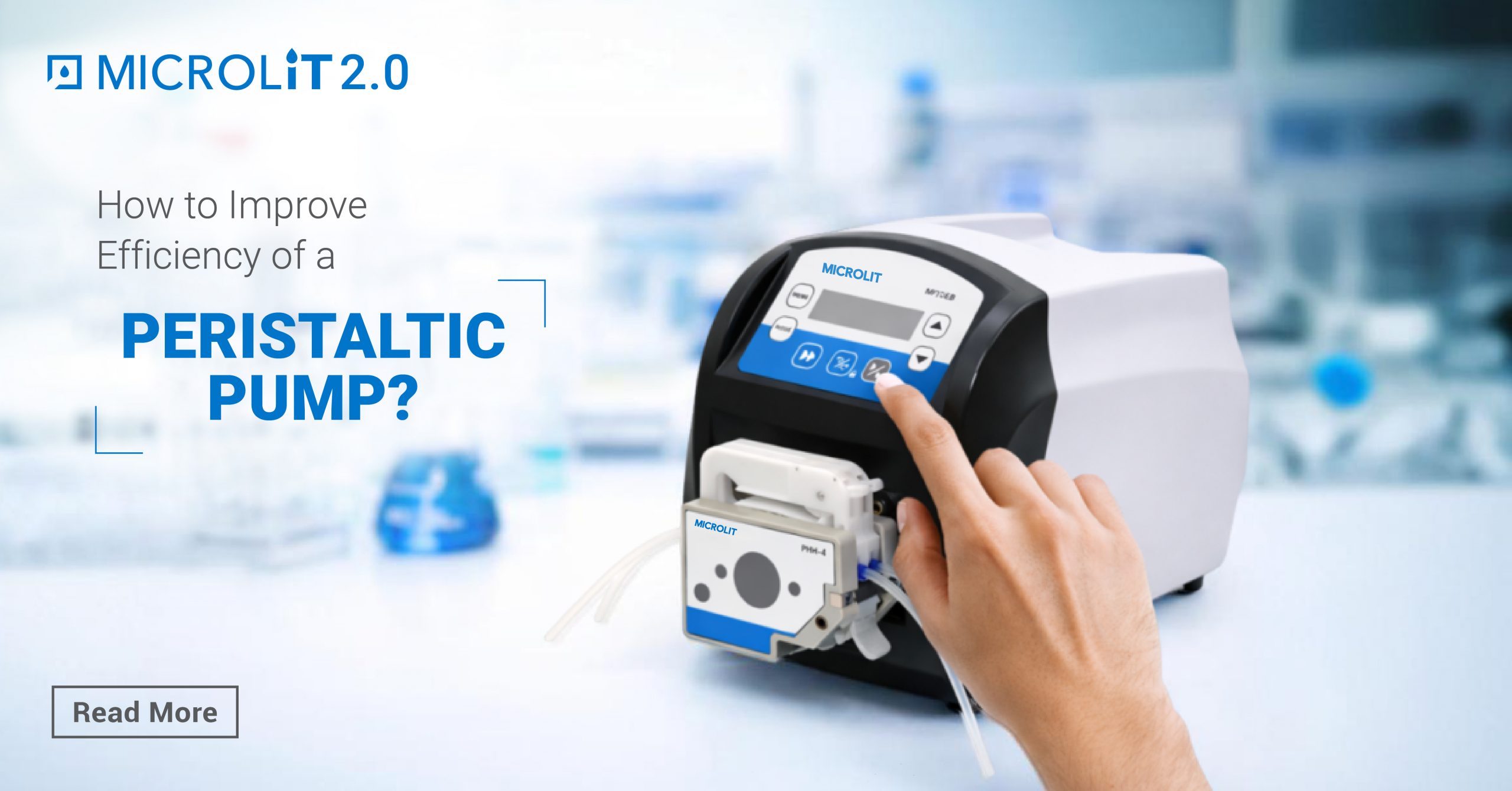
Peristaltic pumps have become an essential fluid transfer solution across a wide range of industries, including pharmaceuticals, laboratories, food and beverage processing, water treatment, and industrial manufacturing. Their unique working mechanism—where fluid moves through flexible tubing compressed by rotating rollers—ensures that the liquid never comes into direct contact with the pump components. This makes them an ideal choice for contamination-free fluid handling, especially in sterile or sensitive environments.
In applications where precision, reliability, and cleanliness are critical, peristaltic pumps provide an excellent solution. They are commonly used for dosing chemicals, transferring viscous fluids, handling sterile liquids, and pumping corrosive chemicals. However, achieving optimal efficiency from a peristaltic pump requires more than simply selecting a pump and operating it. Factors such as proper tubing selection, operating speed, maintenance routines, and system setup play a crucial role in ensuring consistent performance and longer pump life.
Understanding how to optimize the efficiency of a peristaltic pump not only improves operational reliability but also reduces maintenance costs, minimizes downtime, and increases overall productivity.
Understanding Peristaltic Pump Efficiency
Efficiency in a peristaltic pump goes beyond simply delivering fluid from one point to another. It involves maintaining accurate flow rates, minimizing tubing wear, ensuring stable performance, and reducing maintenance frequency.
Several variables affect the efficiency of a peristaltic pump, including tubing material, pump speed, suction conditions, back pressure, and operating environment. Even small adjustments in these areas can significantly improve pump performance and extend the lifespan of critical components.
By implementing a few operational best practices, users can maximize the reliability of their pumps while ensuring precise fluid transfer across different applications.
-
Release Tubing Compression When the Pump Is Idle
One of the most common reasons for premature tubing failure is continuous compression when the pump is not operating. In a peristaltic pump, rollers compress the tubing to push the fluid forward. If this compression remains applied during idle periods, the tubing may develop permanent deformation or flattening.
Over time, this deformation reduces the tubing’s elasticity and affects its ability to return to its original shape. As a result, the pump may experience reduced flow accuracy, inconsistent performance, or tubing rupture.
To prevent this issue, it is recommended to release the pressure block or disengage the rollers whenever the pump is not in use for extended periods. Allowing the tubing to relax and regain its natural shape significantly increases its operational life and helps maintain consistent flow rates.
-
Operate the Pump at the Optimal Speed
Operating speed has a direct impact on the efficiency and longevity of a peristaltic pump. Running the pump at excessively high speeds can lead to increased friction between the rollers and tubing. This generates heat and accelerates tubing fatigue, resulting in faster wear and potential failure.
Instead of operating at maximum speed, it is best to run the pump at the lowest speed that still meets the required flow rate for the application. Lower speeds reduce mechanical stress on the tubing, improve flow stability, and enhance overall pump reliability.
Additionally, slower operation often results in smoother fluid movement and less pulsation, which can be beneficial in applications requiring precise dosing or gentle handling of sensitive fluids.
-
Select the Right Tubing for the Application
Tubing is the most critical component of a peristaltic pump system. Since the fluid only comes into contact with the tubing, its quality, material, and dimensions directly affect pump efficiency and durability.
Pump-grade tubing designed specifically for peristaltic applications should always be used. These tubes are engineered to withstand repeated compression cycles without losing elasticity or structural integrity.
When selecting tubing, consider the following factors:
- Tubing material compatibility with the pumped fluid
- Correct internal diameter for the required flow rate
- Compatibility with the pump head
- Resistance to chemicals, temperature, and pressure
Another important factor is suction tubing length. Keeping suction tubing as short and straight as possible reduces resistance and improves fluid intake efficiency.
-
Choose Adequate Pump Capacity
Selecting the correct pump capacity is essential for maintaining efficient operation. A pump that operates constantly at its maximum capacity may experience faster wear and reduced reliability.
To ensure stable performance, it is recommended to select a peristaltic pump with a theoretical flow capacity that is approximately 20–30% higher than the actual process requirement. This safety margin allows the pump to operate within its optimal range.
Real-world factors such as fluid viscosity, back pressure, tubing length, and suction lift can reduce actual flow rates. Having additional capacity ensures that the pump can maintain consistent performance under varying operating conditions.
-
Maintain Cleanliness Inside the Pump Head
Cleanliness is another key factor that affects peristaltic pump efficiency. Dirt, dust, or chemical residue inside the pump head can interfere with the smooth rotation of rollers and affect tubing compression.
Contaminants can also cause uneven wear on the tubing, leading to premature failure or inconsistent flow delivery.
Regular inspection and cleaning of the pump head help maintain smooth roller movement and ensure reliable pump performance. Cleaning routines should be included as part of preventive maintenance, especially in environments where dust or chemical residues are present.
-
Inspect and Replace Tubing Regularly
Unlike many other pump components, tubing in a peristaltic pump is a consumable part. Because it is repeatedly compressed during operation, it naturally experiences wear over time.
Routine inspection helps detect early signs of tubing deterioration, such as:
- Cracks or splits
- Flattening or deformation
- Loss of elasticity
- Surface wear or thinning
Replacing worn tubing before failure occurs prevents leaks, maintains flow accuracy, and avoids unexpected downtime in critical processes.
A preventive replacement schedule based on operating hours or application conditions can significantly improve pump reliability.
-
Ensure Chemical Compatibility
Chemical compatibility between the tubing material and the pumped fluid is critical for maintaining pump efficiency. Certain chemicals can cause tubing materials to swell, harden, or degrade over time.
If incompatible tubing is used, the pump may experience reduced flexibility, irregular compression, or even tubing rupture.
Before selecting tubing, always verify that the material is compatible with the fluid being transferred. Many tubing manufacturers provide chemical compatibility charts that help users select the appropriate material for their specific application.
-
Monitor Operating Temperature
Temperature plays a significant role in the performance and lifespan of peristaltic pump tubing. Each tubing material has a specific temperature range within which it performs optimally.
Operating beyond this range can cause the tubing to lose flexibility, become brittle, or soften excessively. These changes affect compression efficiency and flow accuracy.
Monitoring the operating temperature and selecting tubing designed for the required thermal conditions ensures consistent performance and longer service life.
The Role of High-Quality Pump Design
While operational practices are important, the quality of the pump itself also plays a major role in efficiency and durability. Advanced pump designs incorporate precision rollers, robust pump heads, and reliable control systems to ensure smooth and accurate fluid transfer.
Companies such as Microlit offer an extensive range of Peristaltic Pumps designed for laboratory, research, and industrial applications. Microlit’s pumps are engineered to deliver reliable performance, accurate flow control, and easy maintenance, making them suitable for applications such as chemical dosing, pharmaceutical processing, and laboratory fluid transfer.
With user-friendly designs and high-quality components, Microlit’s peristaltic pumps help users achieve consistent results while minimizing maintenance requirements.
Conclusion
Improving the efficiency of a peristaltic pump requires a combination of correct operation, proper tubing selection, and routine maintenance. Simple practices such as releasing tubing compression during downtime, operating at optimal speeds, selecting compatible tubing, and maintaining cleanliness can significantly enhance pump performance.
Regular inspection and timely replacement of tubing help prevent unexpected failures and ensure consistent flow accuracy. Additionally, selecting a pump with adequate capacity and monitoring operating conditions further improves reliability.
By following these best practices and choosing high-quality solutions such as Microlit’s extensive range of peristaltic pumps, users can achieve longer tubing life, improved operational efficiency, and reduced total cost of ownership across a wide range of fluid handling applications.