Vacuum Aspirators or KENO Product Guide
- July 14, 2026
- ENQUIRE NOW
Introduction
Every modern laboratory handles liquid waste daily from removing culture media to aspirating supernatants after centrifugation. While these tasks may seem routine, manual aspiration increases contamination risks, reduces efficiency, and affects experimental consistency.
A laboratory vacuum aspirator offers a safer, faster, and more controlled method for liquid aspiration. Whether you’re working in cell culture, microbiology, molecular biology, diagnostics, or pharmaceutical research, selecting the right aspiration system can significantly improve laboratory productivity while protecting valuable samples.
In this guide, you’ll learn:
- What a laboratory vacuum aspirator is
- How it works
- Major applications
- Key features to look for
- How to choose between KENO PRO and KENO MINI
- Best practices for safe laboratory aspiration
What is a Laboratory Vacuum Aspirator?
A laboratory vacuum aspirator is a liquid handling device designed to safely remove unwanted liquids from laboratory containers using controlled vacuum pressure.
Instead of manually pipetting or pouring liquids, the aspirator transfers waste directly into a sealed collection bottle, minimizing spills, aerosol formation, and operator exposure.
These systems are widely used for:
- Cell culture media removal
- Supernatant aspiration
- Biological waste disposal
- Washing procedures
- Sample preparation
- Plate aspiration
- Laboratory cleaning
How Does a Vacuum Aspirator Work?
The aspiration process is straightforward:
- A vacuum pump generates negative pressure.
- The operator positions the aspiration tip.
- Liquid is gently drawn through tubing.
- Waste is collected inside a sealed polypropylene bottle.
- Filters and overflow protection prevent contamination of the vacuum system.
The entire process is faster, cleaner, and safer than manual aspiration.
Why Laboratories Use Vacuum Aspirators
Laboratories choose vacuum aspiration systems because they help:
-
Improve Laboratory Safety
Closed aspiration systems reduce exposure to hazardous biological liquids while minimizing aerosol generation.
-
Increase Workflow Efficiency
Removing liquid manually from dozens or hundreds of samples is time-consuming. Vacuum aspiration significantly speeds up routine workflows.
-
Protect Sample Integrity
Controlled vacuum levels prevent excessive suction that may disturb sensitive cell layers.
-
Maintain Sterility
Hydrophobic filters and sealed waste collection reduce contamination risks during cell culture applications.
-
Save Valuable Bench Space
Modern compact vacuum aspirators fit comfortably inside biosafety cabinets and crowded laboratory workstations.
Common Applications of Laboratory Vacuum Aspirators
Cell Culture
- Media removal
- Washing adherent cells
- PBS removal
- Cell maintenance
Molecular Biology
- Sample preparation
- Washing procedures
- Buffer removal
Microbiology
- Culture waste disposal
- Media aspiration
- Liquid transfer
Pharmaceutical Laboratories
- QC laboratories
- Sample preparation
- Waste collection
Clinical Diagnostics
- Liquid removal
- Routine aspiration
- Laboratory waste management
Features to Look for in a Laboratory Vacuum Aspirator
Choosing the right aspiration system depends on your laboratory requirements.
Important features include:
-
Adjustable Vacuum Control
Allows precise aspiration for delicate samples.
-
Low Noise Operation
Ideal for laboratories where equipment runs continuously.
-
Hydrophobic Filter Protection
Helps prevent contamination of the vacuum system.
-
Overflow Protection
Automatically prevents liquid from entering the pump.
-
Compact Design
Fits easily inside biosafety cabinets and laminar flow hoods.
-
Chemical Resistant Components
Suitable for demanding laboratory environments.
-
Autoclavable Accessories
Supports proper laboratory sterilization procedures.
-
Brushless Motor
Provides longer service life with reduced maintenance.
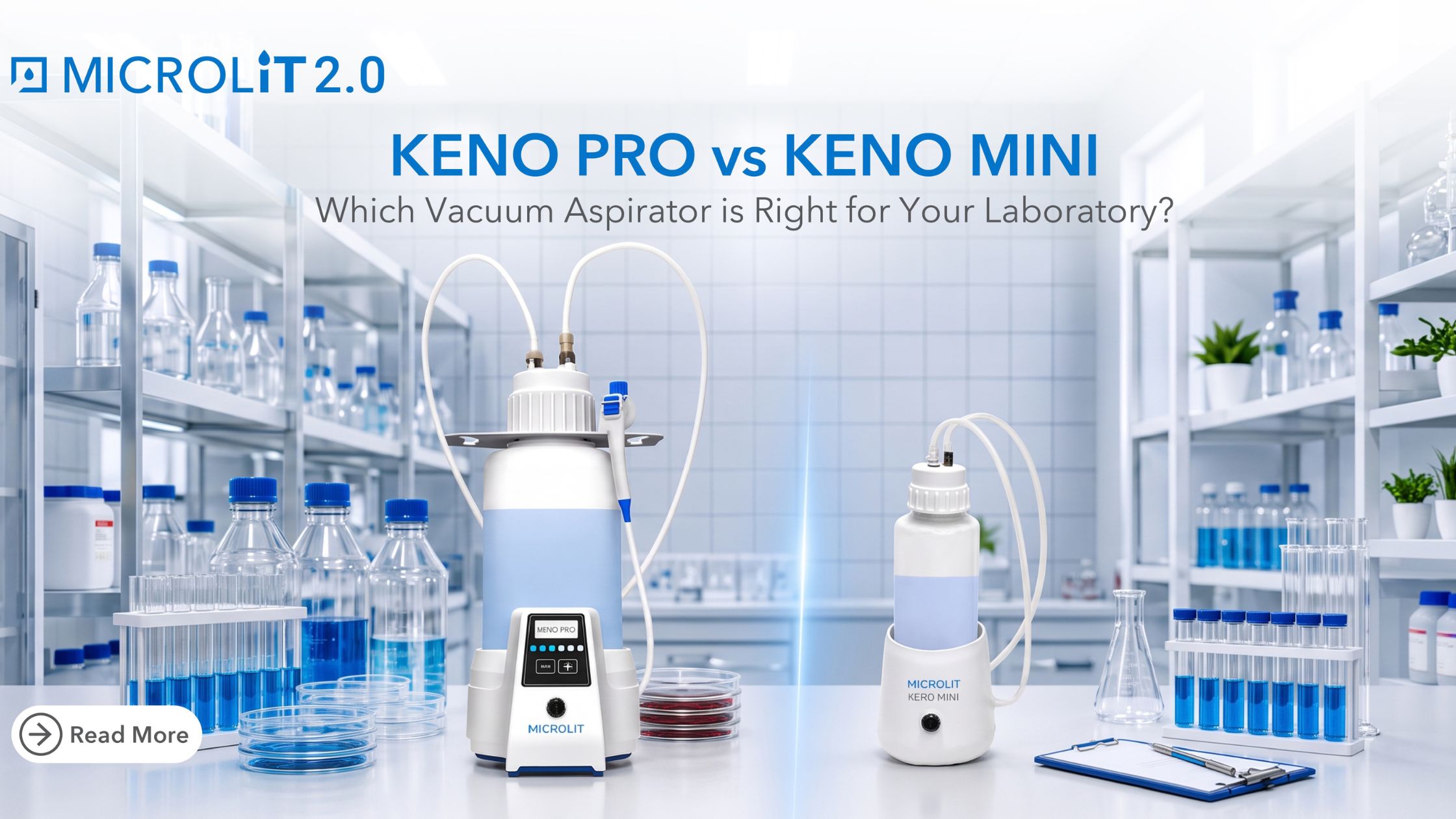
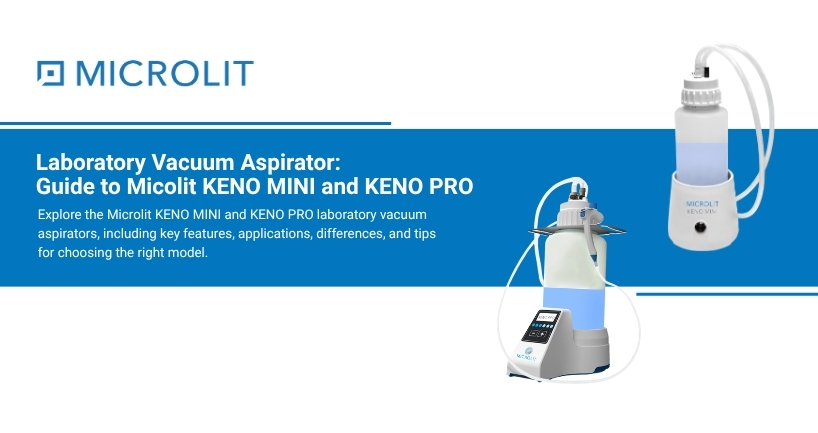
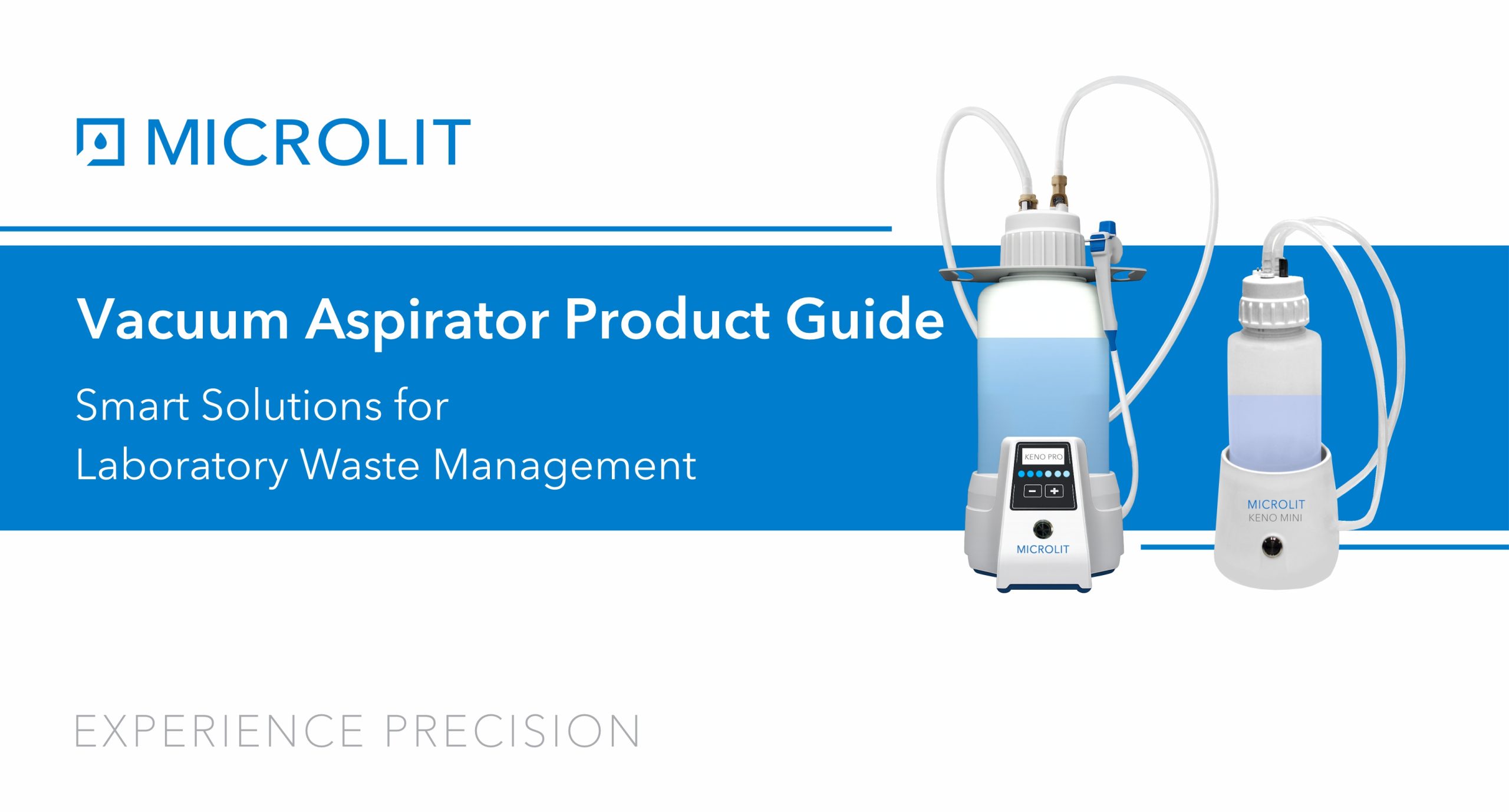
KENO PRO vs KENO MINI: Which Vacuum Aspirator is Right for Your Laboratory?
| Feature | KENO PRO | KENO MINI |
| Best For | High-throughput laboratories | Small laboratories |
| Bottle Capacity | 2L / 4L | 0.5L / 1L |
| Power | External power supply | Rechargeable battery |
| Portability | Bench-top | Highly portable |
| Liquid Level Detection | Yes | No |
| Eco Control | Yes | No |
| Ideal Applications | Continuous laboratory workflows | Mobile and compact laboratory use |
When Should You Choose KENO PRO?
KENO PRO is ideal if your laboratory:
- Processes high sample volumes
- Requires continuous operation
- Handles larger biological waste volumes
- Needs intelligent liquid level sensing
- Requires enhanced contamination protection
- Operates inside research, pharmaceutical, or diagnostic laboratories
When Should You Choose KENO MINI?
KENO MINI is the better option if you need:
- Maximum portability
- Battery-powered operation
- Compact laboratory equipment
- Limited bench space
- Mobile laboratory workflows
- Small-scale research applications
Best Practices for Safe Vacuum Aspiration
To maximize performance:
- Always inspect tubing before operation.
- Replace filters as recommended.
- Never exceed bottle capacity.
- Use compatible aspiration tips.
- Clean bottles after every use.
- Sterilize autoclavable components regularly.
- Check vacuum settings before aspirating sensitive samples.
Proper maintenance improves both safety and equipment lifespan.
Industries That Benefit from Vacuum Aspirators
Laboratory vacuum aspirators are widely used in:
- Biotechnology
- Pharmaceutical manufacturing
- Academic research
- Clinical diagnostics
- Hospitals
- Life science research
- Food testing laboratories
- Environmental laboratories
- CROs
- Government research institutes
Frequently Asked Questions
-
What is a laboratory vacuum aspirator used for?
It removes liquid waste safely from laboratory containers using controlled vacuum pressure while reducing contamination risks.
-
Can a vacuum aspirator be used for cell culture?
Yes. Vacuum aspirators are commonly used for media removal, washing cells, and supernatant aspiration in cell culture laboratories.
-
Why is an adjustable vacuum important?
Adjustable vacuum helps protect delicate samples by preventing excessive suction during aspiration.
-
What is the difference between KENO PRO and KENO MINI?
KENO PRO is designed for continuous, high-volume laboratory use with advanced safety features, while KENO MINI provides a compact, battery-powered solution for smaller laboratories and mobile workflows.
-
Which industries use laboratory vacuum aspirators?
Biotechnology, pharmaceuticals, microbiology, molecular biology, hospitals, academic research, and diagnostics laboratories.
-
What is the difference between a laboratory vacuum aspirator and a vacuum pump?
A laboratory vacuum aspirator is a complete liquid aspiration system that includes a vacuum source, collection bottle, tubing, filters, and aspiration accessories. A vacuum pump only generates suction and requires additional components for safe liquid waste collection.
-
Can a laboratory vacuum aspirator be used for sterile applications?
Yes. When equipped with sterile aspiration tips, hydrophobic filters, and autoclavable components, a laboratory vacuum aspirator supports sterile liquid handling in cell culture and microbiology laboratories.
-
Are vacuum aspirators energy efficient?
Yes. Modern systems are designed with efficient motors that consume less power while delivering reliable aspiration performance. Some models also include energy-saving operating modes.
-
What types of liquids can be aspirated using a vacuum aspirator?
Vacuum aspirators can handle a variety of non-corrosive laboratory liquids, including culture media, buffers, saline solutions, and aqueous waste. Always verify chemical compatibility before aspirating aggressive chemicals or solvents.
-
Can a vacuum aspirator improve laboratory productivity?
Yes. By automating liquid removal, vacuum aspirators reduce manual handling, speed up repetitive tasks, and allow researchers to process more samples in less time.
Why Choose Microlit KENO Vacuum Aspirators?
Microlit KENO vacuum aspirators are engineered to combine precision, safety, and workflow efficiency for modern laboratories. With compact designs, reliable aspiration performance, contamination-control features, and accessories for a wide range of applications, KENO systems help laboratories improve productivity while maintaining high standards of safety and accuracy.
Ready to Upgrade Your Laboratory Liquid Handling?
Whether your laboratory needs a high-performance aspiration system for continuous workflows or a compact portable solution for flexible research environments, Microlit offers a vacuum aspirator designed to match your requirements.
Talk to our application experts today to identify the right vacuum aspiration system for your laboratory.