How to Choose the Right Peristaltic Pump: Key Factors Buyers Should Consider
- June 25, 2026
- ENQUIRE NOW
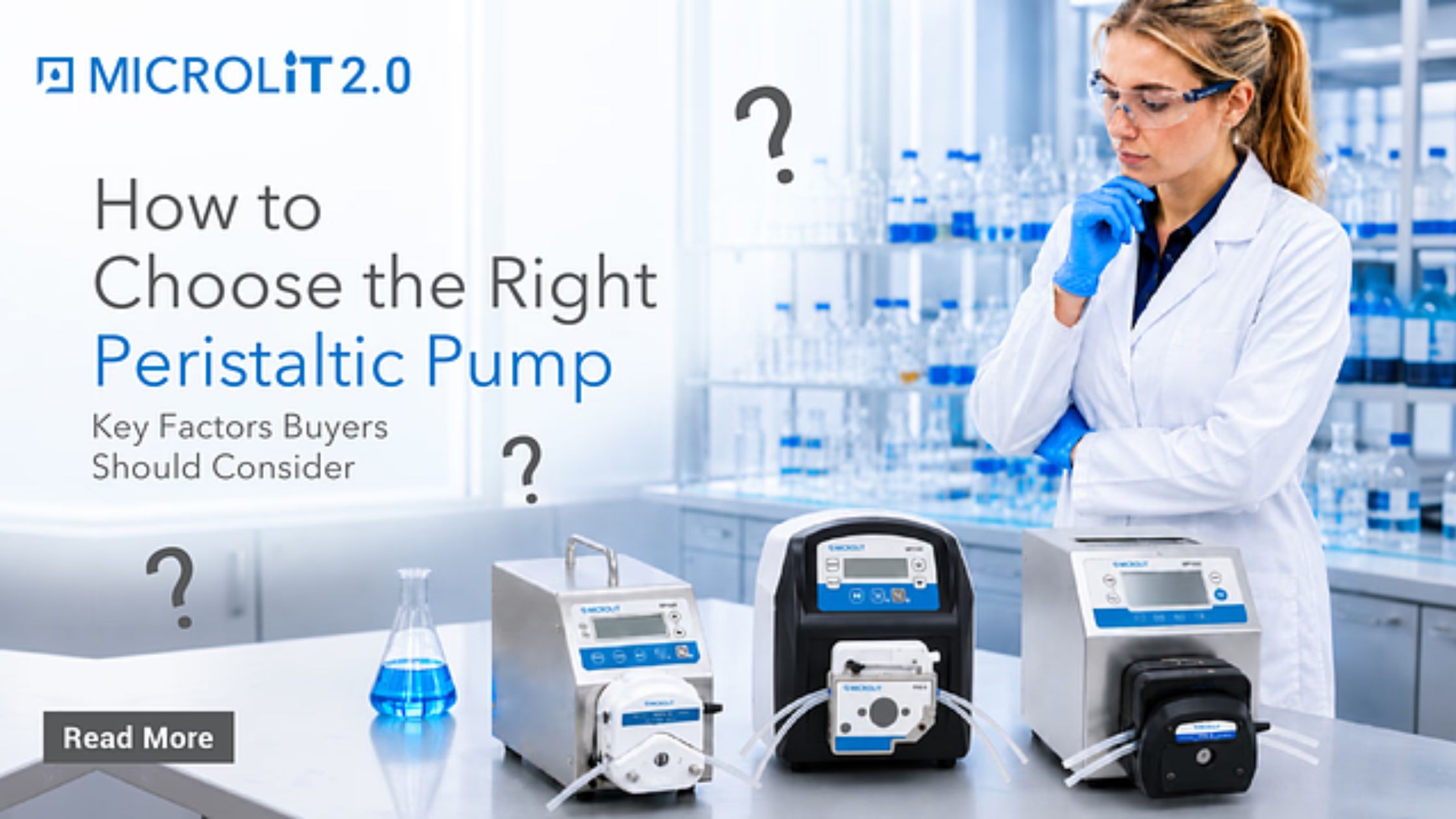
Selecting the right peristaltic pump is crucial for achieving accurate fluid transfer, consistent process performance, and long-term operational efficiency. Whether used in pharmaceutical manufacturing, biotechnology research, food processing, chemical dosing, or laboratory workflows, the right pump can improve productivity, reduce downtime, and ensure reliable results.
With numerous models available in the market, buyers must carefully evaluate their application requirements before making a purchase decision.
-
Understand Your Flow Rate Requirements
The first step in selecting a peristaltic pump is determining the required flow rate. Different applications demand varying levels of fluid transfer, from precise microliter dosing in laboratories to continuous fluid movement in industrial processes.
Consider:
- Required flow rate range
- Continuous or intermittent operation
- Accuracy requirements
- Future scalability needs
Selecting a pump with the appropriate flow range ensures optimal performance without overloading the system.
-
Evaluate the Nature of the Fluid
The characteristics of the fluid being handled significantly influence pump selection.
Viscosity
Thicker fluids require greater pumping force and specialized tubing materials. Applications involving syrups, oils, gels, culture media, or adhesives should be evaluated carefully.
Shear Sensitivity
Biological samples, cell cultures, proteins and other sensitive fluids require gentle handling to maintain integrity and avoid damage during transfer.
Chemical Compatibility
When working with acids, alkalis, solvents, or aggressive chemicals, tubing compatibility becomes a critical factor. The wrong tubing material can lead to degradation, reduced performance, and frequent replacements.
-
Consider Pressure Requirements
Different applications operate under different pressure conditions. Laboratory applications typically require lower pressures, while industrial dosing and chemical processing applications may demand higher pressure capabilities.
Understanding discharge pressure requirements helps ensure stable flow performance and extended tubing life.
-
Choose the Right Tubing Material
The tubing is the heart of any peristaltic pumping system. Selecting the right tubing material can improve performance, increase durability, and reduce maintenance costs.
Common tubing options include:
- Silicone: Ideal for laboratory and life science applications
- PharMed®: Long-lasting and biocompatible
- Viton®: Excellent chemical resistance
- Tygon®: Versatile and widely used
- Santoprene®: Durable and suitable for industrial environments
Always verify chemical compatibility and operating conditions before finalizing tubing selection.
-
Focus on Accuracy and Repeatability
For pharmaceutical, biotechnology, diagnostic and research applications, precision is non-negotiable. Even minor variations in dosing can affect product quality, experimental outcomes, and regulatory compliance.
Look for features such as:
- Stable flow control
- Low pulsation operation
- Digital speed adjustment
- Consistent repeatability
- Calibrated performance
A high-precision pump helps minimize errors and improve process reliability.
-
Assess Automation and Control Features
Modern laboratories and manufacturing facilities increasingly rely on automation to improve efficiency and reduce manual intervention.
Advanced pumps may include:
- Variable speed control
- Digital interfaces
- Programmable dispensing functions
- Timer settings
- External control integration
- Remote monitoring capabilities
These features enhance productivity and provide greater process control.
-
Evaluate Ease of Maintenance
Maintenance costs can significantly impact the total cost of ownership over a pump’s lifecycle.
When comparing options, consider:
- Ease of tube replacement
- Spare part availability
- Service support
- Cleaning requirements
- Downtime associated with maintenance
A pump designed for quick tube changes and minimal maintenance can improve operational efficiency and reduce interruptions.
-
Verify Industry Compliance Requirements
Regulated industries often require equipment that complies with strict quality and safety standards.
Depending on the application, buyers should consider compliance with:
- GMP guidelines
- FDA requirements
- CE certification
- ISO standards
- USP Class VI requirements
Choosing compliant equipment helps support regulatory audits and quality assurance programs.
Common Mistakes Buyers Should Avoid
Selecting Based Only on Initial Cost
The lowest-priced pump may result in higher operating expenses due to frequent maintenance, reduced accuracy, or shorter service life.
Ignoring Future Requirements
Choosing a pump solely for current needs can limit future scalability and process expansion.
Overlooking Tubing Compatibility
Tubing incompatibility remains one of the most common causes of premature failure and inconsistent performance.
Neglecting Technical Support
Reliable after-sales service and application support can significantly improve long-term equipment performance.
Why Peristaltic Pumps Continue to Gain Popularity?
Industries are increasingly adopting peristaltic pumps because of their ability to handle a wide range of fluids while maintaining process reliability.
Key advantages include:
- Contamination-free fluid handling
- Self-priming operation
- Dry-run capability
- Low maintenance requirements
- Reversible flow
- High dosing accuracy
- Gentle handling of sensitive fluids
These benefits make them suitable for applications across pharmaceuticals, biotechnology, food processing, environmental testing, chemical processing, and research laboratories.
Why Choose Microlit Peristaltic Pumps?
Microlit’s range of laboratory peristaltic pumps is engineered to deliver precise fluid transfer, accurate dosing, and dependable performance across diverse applications.
Designed for laboratories, pharmaceutical facilities, biotechnology environments, and industrial operations, Microlit Peristaltic Pumps offer:
- Precise flow control
- Variable speed operation
- Wide tubing compatibility
- Self-priming functionality
- Safe dry-run capability
- Quick tube replacement
- Low maintenance design
- Compatibility with viscous and shear-sensitive fluids
- User-friendly operation
Backed by Microlit’s reputation for innovation, quality manufacturing, and global presence across 95+ countries, these pumps provide a reliable solution for organizations seeking efficient and accurate fluid handling.
Conclusion
Choosing the right peristaltic pump requires a thorough understanding of flow requirements, fluid characteristics, tubing compatibility, pressure conditions, automation needs, and compliance standards. By carefully evaluating these factors, buyers can improve process efficiency, reduce maintenance costs, and ensure long-term reliability.
For laboratories and industries seeking precision, flexibility, and dependable performance, Microlit Peristaltic Pumps offer a trusted solution designed to meet the evolving demands of modern fluid handling applications.