Peristaltic Pump: Working Principle, Types, Applications & Selection Guide
- June 25, 2026
- ENQUIRE NOW
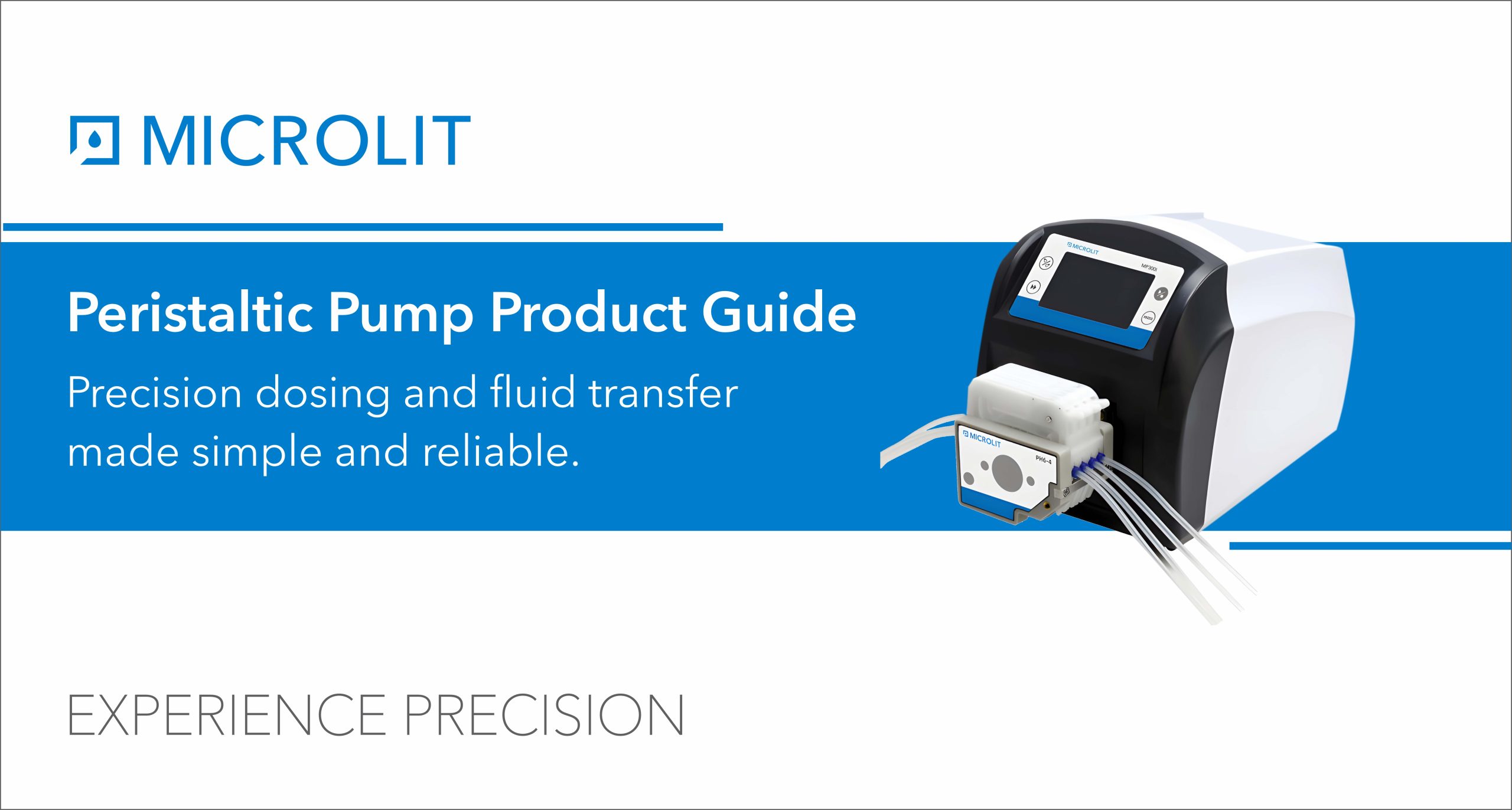
Introduction
A peristaltic pump is one of the most reliable and contamination-free fluid transfer solutions used across pharmaceutical manufacturing, biotechnology, food processing, chemical industries, and research laboratories. Known for its precision, flexibility, and gentle fluid handling capabilities, the industrial peristaltic pump has become an essential component in applications requiring accurate dosing, sterile transfer, and controlled fluid movement.
Whether you are looking for a precision dosing pump for pharmaceutical production or a dependable fluid transfer solution for food and beverage processing, understanding how a peristaltic dosing pump works can help you make the right purchasing decision.
This guide covers everything you need to know about peristaltic pumps, including their working principle, types, advantages, applications, and key selection factors.
What is a Peristaltic Pump?
A peristaltic pump is a positive displacement pump that moves fluids through a flexible tube using a series of rollers or shoes mounted on a rotating rotor.
As the rotor turns, the rollers compress the tubing, creating a vacuum that draws fluid into the tube while simultaneously pushing it forward. Since the fluid only comes into contact with the tubing, the pumping process remains highly hygienic and contamination-free.
This unique design makes peristaltic pumps ideal for handling:
- Sterile fluids
- Sensitive biological materials
- Corrosive chemicals
- High-viscosity liquids
- Abrasive slurries
How Does a Peristaltic Pump Work?
The operation of a peristaltic pump is inspired by the natural process of peristalsis found in biological systems, such as the human digestive tract.
Step-by-Step Working Principle
1. Tube Compression
Rollers mounted on the rotor compress the flexible tube.
2. Fluid Displacement
The compressed section pushes the trapped fluid toward the discharge end.
3. Vacuum Creation
As the tube returns to its original shape, a vacuum is generated that draws more fluid into the tube.
4. Continuous Flow
The rotor continues rotating, creating a continuous and controlled flow of fluid.
Key Components
- Pump Housing
- Rotor
- Rollers or Shoes
- Flexible Tubing
- Motor Drive System
- Control Interface
Because the fluid never contacts moving mechanical parts, peristaltic fluid transfer pumps significantly reduce contamination risks and maintenance requirements.
Types of Peristaltic Pumps
Different industries require different levels of flow rates, pressures, and accuracy. The two primary categories of peristaltic pumps include:
1. Tube Peristaltic Pumps
These pumps use flexible tubing and are commonly used in:
- Laboratories
- Biotechnology applications
- Medical devices
- Pharmaceutical research
Advantages
- High accuracy
- Easy tube replacement
- Suitable for sterile applications
2. Hose Peristaltic Pumps
These pumps use reinforced hoses designed for industrial environments.
Applications
- Mining
- Wastewater treatment
- Chemical processing
- Food manufacturing
Advantages
- Handles abrasive materials
- Suitable for high-pressure operations
- Longer service life
Key Advantages of Peristaltic Pumps
Contamination-Free Fluid Transfer
Since the fluid only contacts the tubing, contamination-free pumping is achieved without seals, valves, or wetted mechanical parts.
High Precision Dosing
A precision dosing pump delivers accurate and repeatable flow rates, making it suitable for pharmaceutical and biotech applications.
Gentle Fluid Handling
Sensitive biological samples, cell cultures, and proteins can be transferred without damage.
Dry Running Capability
Unlike many pump technologies, peristaltic dosing pumps can run dry without suffering immediate damage.
Easy Maintenance
Tube replacement is quick and cost-effective, reducing downtime.
Reversible Flow
Many industrial peristaltic pumps support bi-directional pumping, offering operational flexibility.
Applications of Peristaltic Pumps
Pharmaceutical Manufacturing
The pharmaceutical sector extensively uses pharmaceutical peristaltic pumps for:
- Drug manufacturing
- Vaccine production
- Sterile fluid transfer
- API processing
- Filling and dispensing operations
Biotechnology and Life Sciences
In biotechnology environments, biotech fluid transfer pumps support:
- Cell culture applications
- Bioprocessing
- Fermentation systems
- Media transfer
- Laboratory automation
Food and Beverage Industry
Food-grade peristaltic pumps are used for:
- Flavor dosing
- Beverage production
- Dairy processing
- Syrup transfer
- Ingredient metering
Chemical Processing
Peristaltic technology safely handles:
- Corrosive chemicals
- Acids
- Alkalis
- Solvents
- Abrasive slurries
Water and Wastewater Treatment
Applications include:
- Chemical dosing
- Flocculant transfer
- Sludge handling
- pH control systems
Peristaltic Pump vs Other Pump Technologies
| Feature | Peristaltic Pump | Diaphragm Pump | Syringe Pump |
| Contamination-Free | Yes | Moderate | Yes |
| Continuous Flow | Yes | Yes | Limited |
| Maintenance | Low | Medium | Medium |
| Dry Running | Excellent | Limited | No |
| Sterile Applications | Excellent | Good | Excellent |
| Industrial Use | High | High | Low |
For continuous fluid transfer and industrial dosing, peristaltic pumps often outperform syringe-based systems.
Industries Benefiting from Peristaltic Pumps
Pharmaceuticals
For GMP-compliant manufacturing and sterile fluid handling.
Biotechnology
For contamination-free biological processing.
Food & Beverage
For hygienic ingredient transfer.
Chemicals
For aggressive fluid handling.
Environmental Applications
For dosing and wastewater treatment.
Research Laboratories
For precision fluid dispensing and testing.
How to Select the Right Peristaltic Pump
Choosing the right industrial peristaltic pump requires evaluating several critical factors.
1. Flow Rate Requirements
Determine the required flow rate:
- Microliters per minute
- Milliliters per minute
- Liters per minute
2. Fluid Characteristics
Consider:
- Viscosity
- Temperature
- Chemical compatibility
- Abrasiveness
3. Pressure Requirements
Higher pressure applications may require hose pumps rather than tube pumps.
4. Tubing Material Selection
Popular tubing materials include:
- Silicone
- PharMed®
- Viton®
- Tygon®
- Santoprene®
5. Accuracy Requirements
For pharmaceutical production and laboratory applications, select a precision dosing pump capable of maintaining repeatable flow rates.
6. Industry Compliance
Verify compliance requirements such as:
- GMP
- FDA
- USP Class VI
- CE Certification
7. Automation and Control Features
Modern peristaltic dosing pumps may include:
- Touchscreen controls
- Flow rate programming
- Remote monitoring
- PLC integration
- Industrial communication protocols
8. Maintenance Requirements
Evaluate:
- Tubing replacement intervals
- Spare part availability
- Service support
Common Challenges and Solutions
Tubing Wear
Regular inspection and scheduled replacement help maintain performance.
Flow Pulsation
Multi-roller pump heads reduce pulsation and improve flow consistency.
Chemical Compatibility
Always select tubing materials compatible with the fluid being pumped.
Future Trends in Peristaltic Pump Technology
Emerging innovations in industrial peristaltic pumps include:
- Smart IoT-enabled monitoring
- Automated flow control
- Predictive maintenance systems
- Enhanced dosing accuracy
- Integration with Industry 4.0 manufacturing platforms
These advancements are helping manufacturers improve efficiency, reliability, and process control.
Frequently Asked Questions
-
What is a peristaltic pump used for?
A peristaltic pump is used for precise fluid transfer, dosing, dispensing, and contamination-free pumping across pharmaceutical, biotech, food, and industrial applications.
-
Why are peristaltic pumps preferred in pharmaceutical manufacturing?
Because the fluid only contacts the tubing, pharmaceutical peristaltic pumps provide sterile, contamination-free transfer and support GMP-compliant processes.
-
Can peristaltic pumps handle viscous fluids?
Yes. Many industrial peristaltic pumps are designed to transfer highly viscous fluids, slurries, and abrasive materials.
-
What industries commonly use peristaltic pumps?
Pharmaceuticals, biotechnology, food and beverage, chemicals, environmental engineering, and research laboratories frequently rely on peristaltic pumps.
-
How accurate is a peristaltic dosing pump?
Modern precision dosing pumps can achieve highly accurate and repeatable flow rates suitable for critical manufacturing and laboratory applications.
Conclusion
A peristaltic pump offers a reliable, contamination-free, and highly accurate solution for fluid transfer and dosing applications. Whether used in pharmaceutical manufacturing, biotechnology research, food processing, or industrial operations, these pumps provide exceptional versatility and operational efficiency.
By understanding the working principle, types, applications, and selection criteria, organizations can choose the right industrial peristaltic pump to improve process reliability, maintain product quality, and achieve long-term operational success.